
Programs
Protection From Insects
Mosquitoes
There are a variety of diseases that may be spread by mosquitoes. It is always advisable to take preventive measures to protect yourself.
More information about mosquito borne diseases and protecting yourself
Ticks
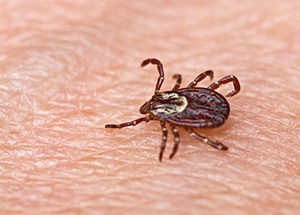
A variety of diseases may be spread by ticks in Minnesota. The majority of tick-transmitted diseases result from the bite of an infected blacklegged tick (also known as the deer tick). Protecting yourself from ticks is very important.
More information about specific tick borne diseases and protecting yourself
Bed Bugs
What are Bed Bugs?
Bed bugs are tiny, flat, reddish-brown insects that feed exclusively on human blood. They can live for over a year without a meal and are excellent at hiding. While bed bugs don’t transmit disease, their bites can cause itching, allergic reactions, and stress.
Where to look for bed bugs:
- Most are found within 8 feet of where people rest, like beds, couches, or favorite chairs.
- Signs include dark specks (fecal spots), shed skins, tiny white eggs, live bugs, or a musty, sweet odor.
General Prevention Tips
- Never bring in furniture, mattresses, or bed frames found on the street.
- Inspect used or rented furniture carefully before bringing it into your home.
- Avoid placing backpacks, purses, or bags on beds, couches, or other resting areas.
- When traveling, inspect hotel bedding, furniture, and luggage racks.
- Keep suitcases off the bed and floor—use luggage racks or hard-shelled cases.
Cleaning & Treatment Best Practices
- Declutter to reduce hiding spots near sleeping areas.
- Vacuum thoroughly and dispose of vacuum bags immediately in sealed plastic bags.
- Wash bedding, clothes, and soft items in hot water and dry on high heat (30+ minutes).
- Use heat (above 120°F) or freezing (0°F for 4+ days) to treat small items.
- Encase mattresses and box springs to trap and prevent infestations.
- Seal cracks and crevices where bed bugs may hide.
- Avoid over-the-counter foggers; consult a licensed pest control professional for effective treatment.
Tenant Rights & Support
- Tenants facing bed bug infestations in Minnesota can get free advice and support from Home Line, a tenant advocacy organization:
- Toll-free (English): 1.800.866.3546
- Spanish: 612.255.8870
- Advocates provide guidance on landlord-tenant law, legal rights, and option to resolve problems.
- Minnesota Court of Appeals – Rush v. Westwood Village Partnership (2016):
- Landlords must arrange and pay for appropriate bed bug treatment in a timely manner.
- Tenants may need to cooperate in preparing for treatment but landlords are not required to pay for personal belongings that must be discarded.
For more information on bed bugs:
University of Minnesota Extension – Bed Bugs
Lice
What are head lice?
These tiny insects make their home in human hair and feed on blood. They multiply rapidly, laying small greyish-colored, oval shaped eggs, called nits, which they attach to the base of the hair with a glue-like substance.
Myth: Head lice have wings and can fly or jump! This is of course false, but lice can crawl or run through the hair quickly!
Fact: Anyone can get head lice. They are not a sign of living in a dirty environment.
How does someone get head lice?
Most commonly head lice are spread through direct head-to-head contact. They may also be spread by sharing personal items with an infected person, such as combs, hair ties, hats and pillows.
How will I know if my child has head lice?
A frequent sign of head lice is a persistent itching of the scalp which sometimes is accompanied by infected scratch marks or rash-like appearance. Also look closely for nits along the hairline at the back of the neck and behind the ears. Nits are strongly attached to the hair near the scalp. They cannot be flicked off like dandruff or pieces of hair gel. If you have questions about the diagnosis of head lice, call your doctor!
Treating head lice
The recommended treatment for head lice is either an over the counter (OTC) or prescription medicated (lice-killing) product. The important thing to remember about any treatment you choose is to follow the directions carefully on the package label! The OTC should be repeated in 7-10 days and all nits removed after each treatment.
If someone in your family is diagnosed with head lice it is important to check everyone else for head lice who lives in the house. It is also very important to clean up the environment, focusing on the areas and items that the infected person had contact with in the last 48 hours.
Myth: Head lice can live on pets in the home, like cats or dogs. This is not true, head lice can only live on humans and cannot survive off the human body for more than two days.
Fact: Head lice is a nuisance, but can be easily treated when carefully following the recommendations from your doctor.
For more information about head lice and treatments visit the Minnesota Department of Health website